
Choose the Right Roofing Materials to Improve Energy Efficiency
Choosing the right roofing materials plays a crucial role in enhancing the energy efficiency and overall comfort of a home. The roof serves as a primary barrier against the elements and significantly affects indoor temperature regulation, which in turn impacts heating and cooling costs. With rising energy bills and growing environmental concerns, selecting materials that contribute to better insulation and energy conservation has become more important than ever. Reflective roofing materials, for instance, can deflect more sunlight and absorb less heat than traditional options, reducing the amount of energy needed to cool a building. Metal roofs coated with special reflective paint, white membrane roofs, and tiles made with cooling granules are some examples of materials that help maintain lower rooftop temperatures. The climate in a given area should heavily influence roofing choices. In hot regions, materials with high solar reflectance index SRI ratings are recommended because they minimize heat gain. Conversely, in colder climates, roofs that absorb and retain heat may be more beneficial for reducing heating demands during winter.
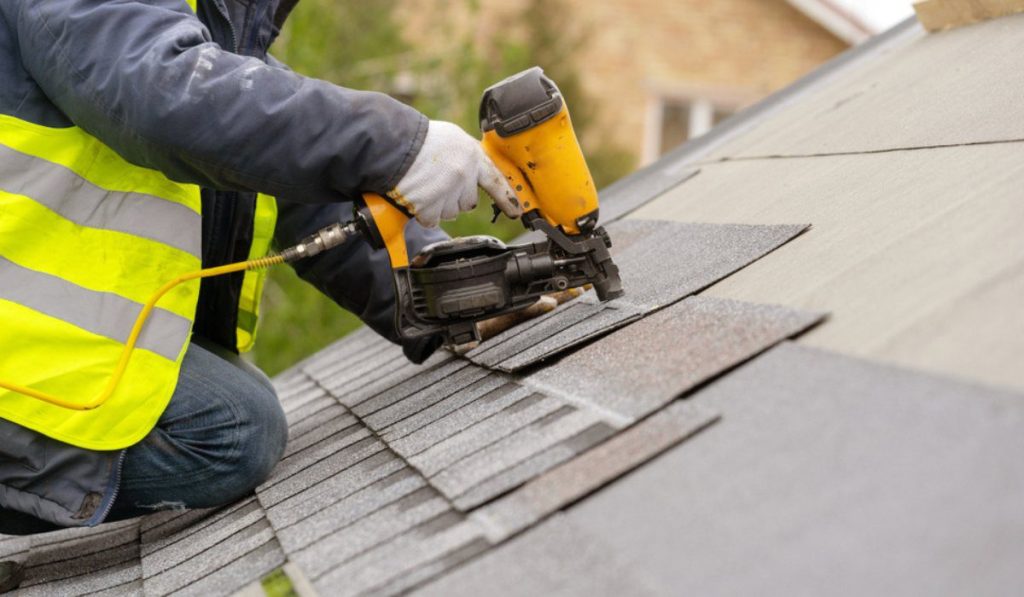
For instance, dark-colored asphalt shingles, while less ideal for warmer climates due to their heat retention, may provide comfort and efficiency in northern zones where insulation and heat absorption are valued during colder months. Another important factor to consider is insulation. A roof’s material works in conjunction with underlying insulation to create a thermal barrier. Even the best reflective material may fall short without adequate attic insulation or proper ventilation to disperse trapped hot air, which makes a holistic approach to roofing more effective. In addition to energy considerations, material durability, cost, and environmental impact also influence decision-making. Metal, clay, and concrete tiles are long-lasting and often recyclable, making them eco-friendly choices. While they may come with a higher upfront cost, their longevity and potential to reduce energy use can offset the investment over time. Additionally, green roofing systems where vegetation is planted over a waterproof membrane are gaining popularity in urban environments for their ability to reduce urban heat island effects, improve air quality, and provide natural insulation.
Although more complex to install and maintain, green roofs offer unmatched energy efficiency benefits in suitable climates. Homeowners interested in sustainable living should also consider materials certified by programs like ENERGY STAR or those that qualify for tax credits or rebates due to their energy-efficient properties. Installation quality is another critical component and check this out https://www.organizewithsandy.com/the-ultimate-guide-to-roofing-materials-choosing-the-right-one-for-your-home/to knows more. A poorly installed roof, regardless of the material, can lead to leaks, drafts, and inefficiencies that negate its potential benefits. Working with experienced professionals ensures that ventilation, insulation, and sealing are handled correctly, maximizing performance. In summary, investing in the right roofing materials can lead to substantial improvements in energy efficiency and indoor comfort. By considering climate, material properties, installation quality, and long-term performance, homeowners can make informed choices that benefit both their wallets and the environment. As building standards continue to evolve, energy-efficient roofing is not just a trend but a key aspect of modern, responsible homeownership.